
Blogs
Types of Hemostatic Forceps and Their Uses
Mar
Different Types of Hemostatic Forceps and Their Uses
Hemostatic forceps are one of those instruments that quietly do a lot of heavy lifting in the operating room. Almost every surgical procedure relies on them in some way whether it’s to control bleeding, secure a vessel or simply hold tissue steady while the surgeon works. While they may look similar at a glance, hemostatic forceps come in a range of designs and sizes, each meant for a specific purpose.
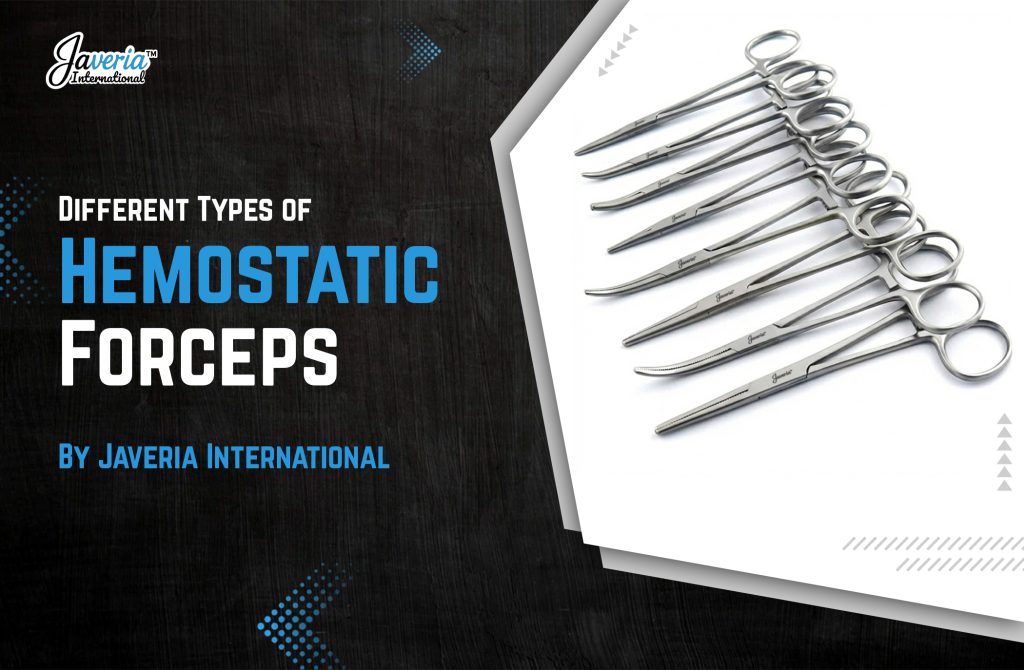
Hemostatic forceps are surgical instruments used to clamp blood vessels and control bleeding during medical procedures. Common types include mosquito forceps, Kelly forceps, Crile forceps, Kocher forceps, Rochester-Pean forceps and Carmalt forceps. Each type is designed for specific surgical tasks, ranging from delicate vessel clamping to handling thicker tissue structures. Choosing the correct hemostatic forceps helps surgeons improve precision, reduce tissue trauma, and maintain effective bleeding control during surgery.
At Javeria International, we often see buyers assume that “a hemostat is a hemostat.” In reality, choosing the right type can make procedures smoother, safer and more efficient. Below is a closer look at the most common types of hemostatic forceps and where they’re typically used.
What Are Hemostatic Forceps?
Hemostatic forceps are often called hemostats that are locking surgical instruments designed to clamp blood vessels and tissues. They use serrated jaws and a ratchet mechanism, allowing the instrument to stay closed without constant hand pressure. This frees the surgeon’s hands and helps maintain consistent control during a procedure.
Most hemostatic forceps are made from high-quality stainless steel. Many are also available in color-coated versions, which can make identification faster and tray organization easier, especially in busy operating rooms.
1. Mosquito Forceps
Mosquito forceps are small, lightweight and designed for precision rather than force. They’re typically used when working with very fine structures.
Common uses include:
- Clamping small blood vessels
- Pediatric and cosmetic procedures
- Delicate work in tight surgical spaces
When minimal tissue trauma is a priority, mosquito forceps are often the safer choice.
2. Kelly Forceps
Kelly forceps are among the most commonly used hemostats in general surgery. They strike a balance between size and strength, making them suitable for a wide range of procedures.
Common uses include:
- Clamping medium-sized vessels
- Holding tissue during dissection
- Routine general surgical work
Available in both straight and curved patterns, Kelly forceps offer flexibility across multiple surgical disciplines.
3. Crile Forceps
Crile forceps are similar in size to Kelly forceps but differ in one key detail: their jaws are fully serrated. This design allows for a more secure grip along the entire length of the jaw.
Common uses include:
- Firm vessel clamping
- Bleeding control in major surgeries
- Secure tissue handling
They’re frequently seen in cardiovascular and general surgical procedures where grip reliability matters.
4. Halsted Forceps
Halsted forceps often referred to as Halsted mosquito forceps are designed for extremely fine work. Their slim profile helps reduce obstruction in delicate surgical fields.
Common uses include:
- Clamping very small vessels
- Neurosurgical and plastic procedures
- Precision-focused surgical tasks
They’re especially useful when visibility and control are more important than clamping strength.
5. Rochester-Pean Forceps
Rochester-Pean forceps are built for strength. These heavy-duty hemostats are intended for larger vessels and thicker tissue.
Common uses include:
- Clamping large blood vessels
- Abdominal and orthopedic surgeries
- Handling dense or fibrous tissue
Their durability makes them a reliable choice in more demanding surgical environments.
6. Kocher Forceps
Kocher forceps are easily recognized by their toothed tips, which provide an exceptionally firm grip. That same feature, however, limits where they should be used.
Common uses include:
- Grasping tough or fibrous tissue
- Orthopedic and general surgery
- Situations requiring extra holding strength
Because of the teeth, Kocher forceps are generally avoided in delicate tissue handling.
7. Carmalt Forceps
Carmalt forceps are long hemostats with longitudinal serrations and cross-serrated tips. This design helps prevent slipping when clamping larger structures.
Common uses include:
- Clamping large pedicles
- Abdominal procedures
- Veterinary surgeries
They’re particularly popular in veterinary practice, where strong vessel control is often required.
8. Color-Coated Hemostatic Forceps
Color-coated hemostatic forceps offer the same mechanical function as standard instruments, with added practical benefits.
Advantages may include:
- Faster instrument identification
- Improved tray and set organization
- Added resistance to corrosion and wear
For many modern surgical facilities, color coding has become less of a luxury and more of a workflow improvement.
Why Choosing the Right Hemostatic Forceps Matters
Using the appropriate hemostatic forceps isn’t just about preference it directly affects patient safety and surgical efficiency. The right instrument can help:
- Reduce tissue trauma
- Improve bleeding control
- Support smoother surgical flow
High-quality instruments also tend to perform more consistently and last longer, which matters from both a clinical and cost perspective.
Why Choose Hemostatic Forceps from Javeria International?
At Javeria International, we manufacture a full range of hemostatic forceps using German stainless steel and careful precision machining. Our focus is on reliability, consistency, and practical performance.
What we offer includes:
- Compliance with international quality standards
- Durable construction and smooth locking action
- OEM and private-label manufacturing options
Final Thoughts
Hemostatic forceps may seem simple, but their role in surgery is anything but minor. Understanding the differences between each type and knowing when to use them helps surgical teams work more confidently and efficiently.
Javeria International is proud to support healthcare professionals worldwide by supplying dependable, high-quality hemostatic forceps designed for real surgical demands.
Frequently Asked Questions
1. What are hemostatic forceps used for in surgery?
Hemostatic forceps are surgical instruments used to clamp blood vessels and control bleeding during procedures. They can also be used to hold tissue, assist in dissection or secure surgical materials when precision and stability are required.
2. What is the difference between Kelly forceps and Crile forceps?
The main difference lies in the serrations on the jaws. Kelly forceps have serrations on only the lower half of the jaw, while Crile forceps have serrations along the entire jaw length, providing a more secure grip on vessels and tissue.
3. When are mosquito forceps typically used?
Mosquito forceps are used for clamping very small blood vessels and performing delicate surgical tasks. They are commonly used in pediatric surgery, plastic surgery and other precision-based procedures where minimal tissue trauma is important.
4. What makes Kocher forceps different from other hemostatic forceps?
Kocher forceps feature toothed tips, which allow them to grip tough or fibrous tissue more firmly. Because of this strong grip, they are commonly used in orthopedic and general surgeries, but they are usually avoided for delicate tissues.
5. Why are some hemostatic forceps curved while others are straight?
Curved hemostatic forceps help surgeons access deeper areas within the surgical field and improve visibility when working in confined spaces. Straight forceps are often preferred for surface-level work or when visibility is already clear.
6. What materials are hemostatic forceps made from?
Most hemostatic forceps are made from high-quality stainless steel, often German stainless steel, which offers durability, corrosion resistance and reliable performance during repeated sterilization cycles.
7. How are hemostatic forceps sterilized?
Hemostatic forceps are usually sterilized using autoclave sterilization, which uses high-pressure steam. Proper cleaning and drying before sterilization helps maintain the instrument’s performance and longevity.
8. How do surgeons choose the right hemostatic forceps?
The selection depends on several factors, including vessel size, tissue type, surgical procedure and required grip strength. Different designs such as mosquito, Kelly or Rochester-Pean forceps are chosen to match specific surgical needs.
Facebook | Instagram | Linkedin
